A woodworking jointer is a tool that helps you create smooth, flat surfaces on wood. If you're looking to get your pieces perfectly straight and ready for assembly, a jointer is the way to go. It works by trimming the edges of boards to ensure they come together seamlessly, making it essential for anyone serious about woodworking.
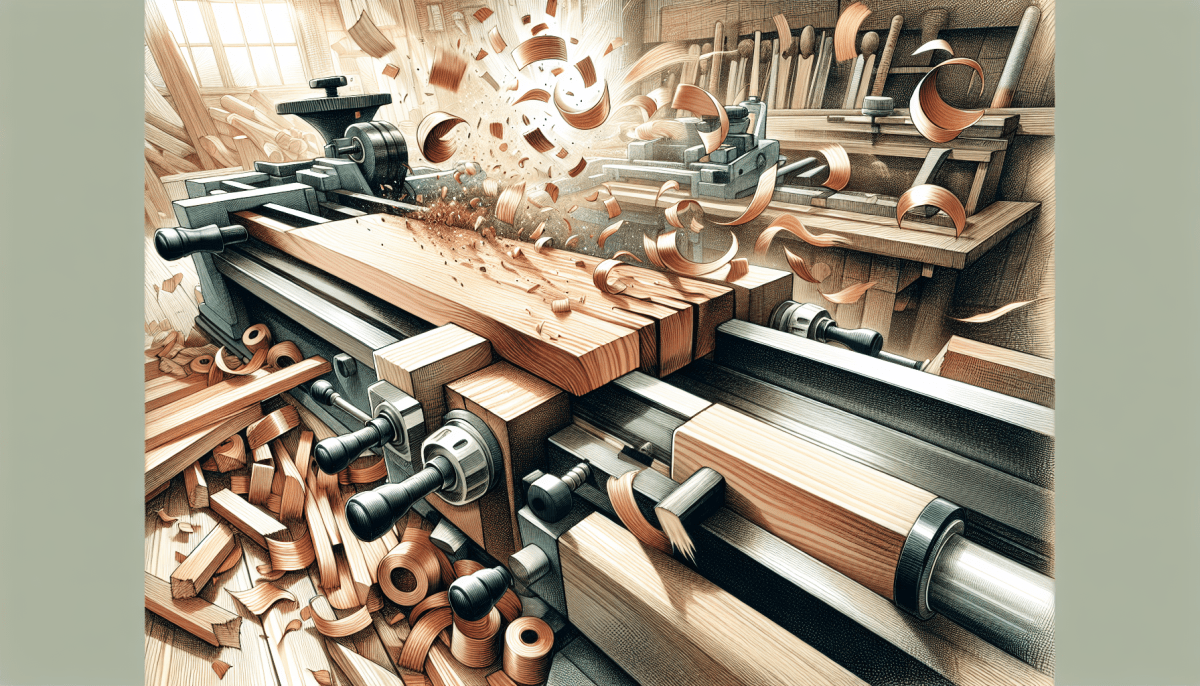
At its core, a jointer features a flat table and a set of sharp blades that remove material from the wood as you pass it over. This process can help eliminate warps, twists, and other imperfections that can be a real headache if left unchecked. You’ll usually find jointers in various sizes, from compact models for hobbyists to larger, more powerful machines for professional woodworkers.
Using a jointer is pretty straightforward. You feed your rough-cut lumber into the machine, and as it moves along the table, the blades do their job. In no time, you’ll have a beautifully smooth edge or surface that’s ready for the next steps in your project. Plus, a jointer can help improve safety by making sure your pieces fit together perfectly before you start cutting or shaping them further.
If you’re new to woodworking or looking to upgrade your workspace, investing in a jointer can save you time and frustration down the road. It can transform how you approach your projects, ensuring that every piece of wood you work with is prepped to perfection. So, whether you're building furniture or crafting smaller projects, a jointer can be a game-changer in your woodworking journey.
Key Features to Look For
When diving into the world of woodworking, a jointer can be one of your best friends. But how do you choose the right one? Here are some key features to keep an eye on:
Remember, the right jointer can make your woodworking projects smoother and more enjoyable. Keep these features in mind as you shop, and you’ll find a tool that truly fits your needs!
Tips for Choosing the Right One
Choosing the right woodworking jointer can seem a bit overwhelming, especially with all the options out there. But don’t worry! Here are some handy tips to help you find the perfect fit for your projects.
1. Consider the Size: Think about the space you have in your workshop. Jointers come in different sizes, and you want one that fits comfortably without making your space feel cluttered. If you’re working on larger pieces of wood, look for a jointer with a longer bed to help support the material.
2. Motor Power Matters: The motor power is crucial for handling the types of wood you’ll be using. A more powerful motor means the jointer can handle tougher woods without bogging down. For most small to medium projects, a motor in the range of 1 to 2 HP should do the trick, but if you’re dealing with harder woods, consider going a bit higher.
3. Jointers with Adjustable Blades: Look for jointers that have easy-to-adjust blades. This feature will save you time when you need to make quick tweaks. Some models allow for precise adjustments without much hassle, ensuring you get that clean edge every time you work.
4. Portability: If you plan on moving your jointer around, consider its weight and whether it has wheels or handles. Some models are designed for easy transport, which can be super helpful if you need to switch workspaces. Just remember to balance portability with stability for the best results!
Maintenance Tips for Longevity
Keeping your jointer in top shape is key to getting the most out of your woodworking projects. A little regular maintenance goes a long way. Here are some easy tips to help you protect your investment and keep your tools running smoothly.
By staying on top of these simple maintenance tasks, you're setting yourself up for success in every woodworking project. Keeping your jointer happy means it’ll keep you happy, too!