When it comes to woodworking, having the right tools is super important. One tool that can make a big difference is a planer. But did you know there are different types of planers to choose from? Understanding these can help you pick the best one for your projects.
Hand Planers
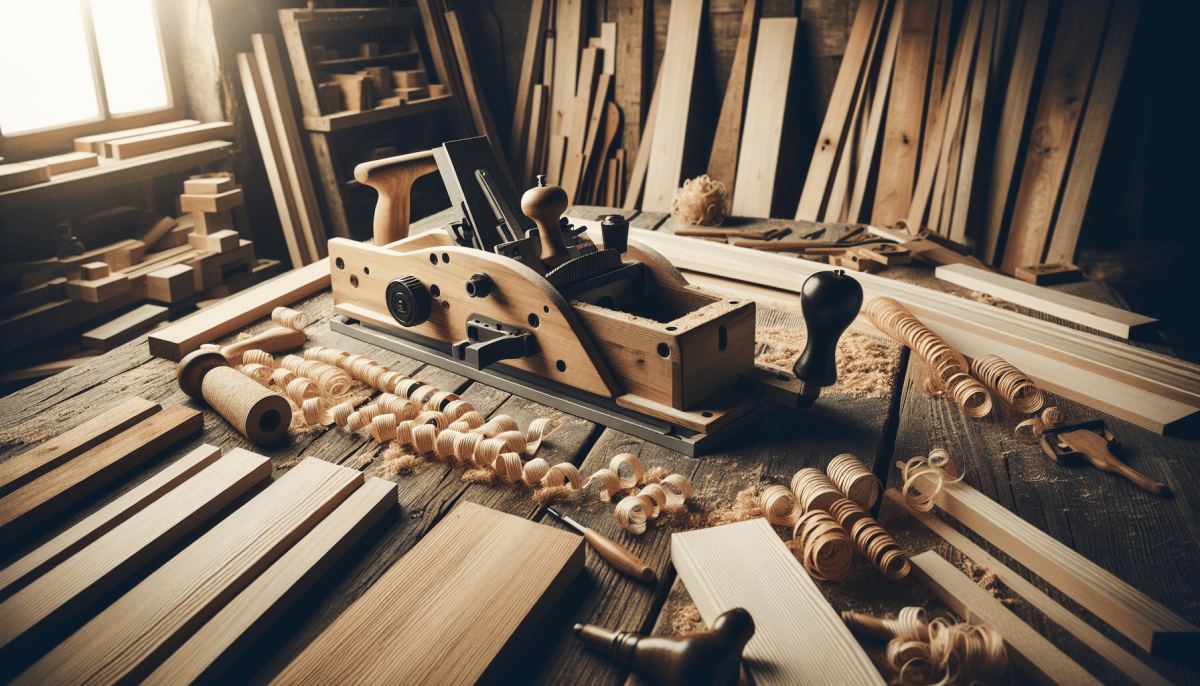
Hand planers are simple tools that you use manually. They’re lightweight, portable, and great for small tasks or touch-ups on your woodworking pieces. If you love traditional techniques or need to adjust edges and corners by hand, a hand planer is your best buddy. They're also quite affordable and perfect for beginners.
Bench Planers
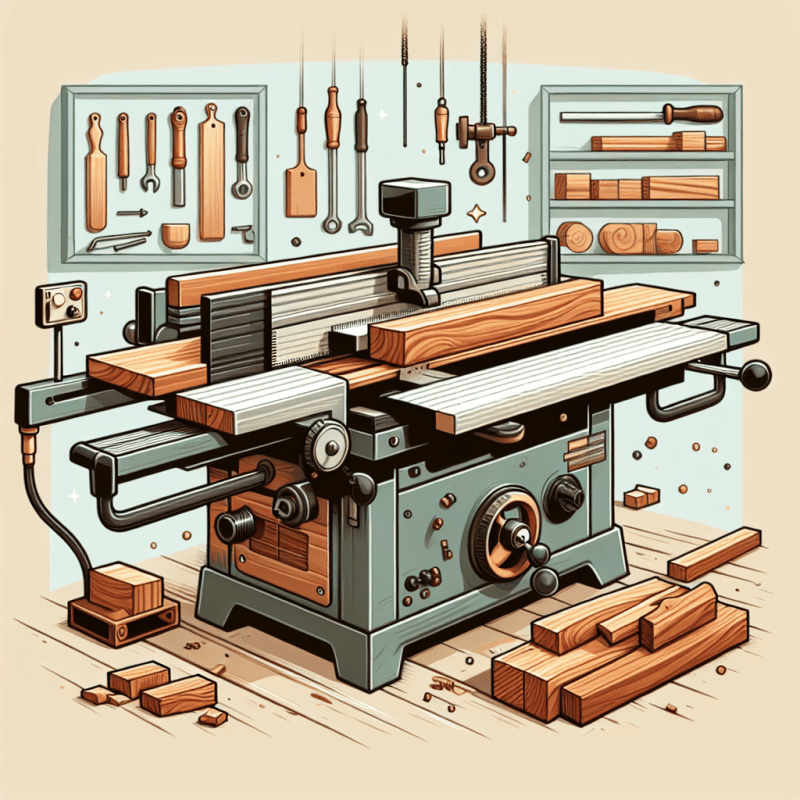
Bench planers, often known as thickness planers, are a step up. These machines sit on your workbench and can handle larger pieces of wood. They work by passing the wood through the planer, providing a smooth finish and uniform thickness. If you’re working on bigger projects or need consistent results, a bench planer is a reliable choice.
Portable Planers
Portable planers, or handheld electric planers, combine the portability of hand planers with a bit of extra muscle. You can easily carry them around and use them on the go. They're perfect for quickly smoothing out surfaces or removing material in tight spaces. These are great if you need flexibility without sacrificing power.
Understanding the differences between these types of planers is key to making the right choice. Think about the size of your projects, where you'll be working, and how much precision you need to help you decide which one fits your woodworking style best.
Key Features to Consider When Buying
When you're on the hunt for the perfect woodworking planer, a few key features can really make a difference. Here’s what to keep in mind to ensure you choose a tool that fits your needs:
Type of Planer: Decide if you want a benchtop model for portability or a floor-standing model for more heavy-duty tasks. Benchtop planers are great for small workshops, while larger models are better if you're working with big projects.
Cutting Width: Think about the size of the materials you usually work with. If you often plane wide boards, go for a wider cutter head. Most planers range from 12 to 15 inches, so pick one that matches your usual projects.
Motor Power: A powerful motor means smoother cuts and the ability to handle harder woods. Look for a planer with at least 12 amps for the best performance.
Plunge Depth: This feature allows you to adjust how deep the cut goes. A deeper setting helps with thicker boards, while shallower cuts are great for fine-tuning edges.
Dust Collection: Good dust management is essential for both your health and keeping your workspace tidy. Check if the planer has a built-in dust collection port or if it’s compatible with your dust collection system.
By keeping these features in mind, you can ensure that you choose a woodworking planer that suits your specific needs and helps you create the beautiful projects you envision.
Top Brands for Woodworking Planers
When it comes to woodworking planers, the brand can make a big difference in quality, reliability, and ease of use. Here are a few top brands that woodworkers swear by:
DeWalt - DeWalt is a favorite among professionals and hobbyists alike. Known for their sturdy build and reliable performance, their planers are designed to handle tough jobs with ease. Plus, they often come with handy features like adjustable depth settings and powerful motors.
Makita - Makita planers are celebrated for their lightweight design and precision. They offer a smooth finish and are great for both beginners and seasoned woodworkers. With models that are easy to handle and store, they’re a solid choice for anyone looking to add a planer to their toolkit.
Ridgid - If you’re on a budget but still want quality, Ridgid has got you covered. Their planers provide excellent value without skimping on performance. You can expect good durability and features that help streamline your woodworking projects.
Jet - Jet is known for its high-end woodworking tools, and their planers are no exception. These machines are built to last and deliver professional results. If you’re serious about woodworking, Jet planers might just be worth the investment.
Each of these brands offers something different, so it’s worth considering what features matter most to you. Whether you need a lightweight model for easy handling or a heavy-duty planer for tougher tasks, there’s a brand out there that fits your needs! Don't forget to read reviews and check out what other woodworkers are saying before making your choice.
Tips for Using Your Planer Safely
Using a planer can be a game changer in your woodworking projects, but safety should always come first. Here are some friendly tips to keep in mind when using your planer:
Wear Safety Gear: Always put on safety glasses and hearing protection. Wood shavings can get everywhere, and the noise from a planer can be pretty loud.
Check the Machine: Before you start, give your planer a quick once-over. Make sure everything is in good shape, with no loose parts or debris that could cause problems.
Secure Your Workpiece: Ensure that your wood is firmly positioned before feeding it into the planer. If it’s not secure, it can shift and lead to a kickback.
Use the Right Feed Rate: Feed your wood at a steady pace. Too fast can cause tear-out or an uneven finish, while too slow can make the tool strain and overheat.
Stay Focused: It’s easy to get distracted when working on a project, but stay focused on what you’re doing. Always keep your hands clear of the cutter head and never reach inside the machine while it's running.
Keeping these tips in mind will help you enjoy your planer while staying safe. Happy woodworking!